Your ad here
Reach the executives, lawyers and operators shaping the industry.
Advertise with usIndependent performers increasingly run on recurring revenue, cleaner payouts and professional back-office tooling. The shift is changing how the sector thinks about durability.
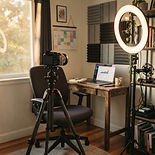
The modern production office often fits within a laptop bag. Where creators once relied upon intermediaries to reach their audience, the contemporary model relies on direct distribution channels that allow for granular control over the consumer experience. This shift represents a broader maturation of the digital entertainment market, as individual operators reclaim the mechanics of delivery and data ownership.
Capitalizing on this autonomy, the industry is witnessing a trend toward stable, recurring revenue streams. Performers are moving away from the volatility of one-off, transactional sales in favor of tiered membership models. This evolution provides a predictable foundation for reinvestment, allowing creators to approach their work with the long-term strategic outlook typically found in established media firms.
This transition to a direct-to-audience paradigm is supported by a growing ecosystem of specialized financial and operational tools. From high-speed settlement systems to comprehensive tax and bookkeeping software, the infrastructure underpinning these creator-led firms has professionalized rapidly. The result is a more resilient, data-informed sector that prioritizes institutional stability alongside creative output.
The Economics of Recurring Membership
Transitioning from unit-based sales to subscription-based recurring revenue requires a recalibration of business strategy. Creators now invest heavily in community management and subscriber retention, treating their digital portals as subscription-as-a-service platforms. This focus on life-time value over quick conversions marks a departure from historical industry standards, favoring steady growth trajectories that appeal to those looking to build a multi-year brand presence.
By securing a predictable monthly cash flow, creators can better forecast their budget for production costs, staff salaries, and marketing initiatives. This shift allows for the systematic reinvestment of capital into higher production values and more efficient back-office administration, effectively mirroring the operational discipline of traditional boutique media agencies.
Professionalization Through Educational Equity
Contract literacy and financial acumen have become as vital as creative vision in the current marketplace. As performers assume the role of small business owners, there is an increasing emphasis on formal education regarding pricing strategies, intellectual property management, and tax compliance. This trend toward professionalization is reducing reliance on external gatekeepers, fostering a generation of creators who are well-versed in the legal and financial requirements of running a commercial entity.
Peer-to-peer knowledge sharing and specialized business-development resources have bridged the gap between raw talent and executive competence. Performers are increasingly capable of negotiating their own licensing agreements and managing complex distribution rights. This increased capability ensures that more of the enterprise value remains with the primary creator, reinforcing the sustainability of the individual-led business model.


Your ad here
Reach the executives, lawyers and operators shaping the industry.
Advertise with usInfrastructure for the Solo Operator
Efficiency is the cornerstone of the modern creator-led enterprise. Software developers are now catering specifically to this demographic, offering back-office solutions that automate invoicing, client outreach, and accounting. By lowering the administrative burden, these platforms empower creators to focus on high-level strategy rather than low-level operational minutiae.
This suite of tools has fundamentally altered the barrier to entry for professional operations. By integrating payment processing directly into proprietary or managed platforms, creators can ensure faster settlements and improved cash flow cycles. This technological integration acts as an invisible force multiplier, allowing small teams to achieve productivity levels previously associated with much larger production houses.
Building Durable Corporate Brands
Looking forward, the focus will likely remain on brand durability. Creators are no longer merely seeking short-term engagement; they are cultivating assets that can withstand market fluctuations and platform changes. By diversifying revenue channels and fostering direct audience relationships, creators are building businesses that possess intrinsic value beyond their immediate content output.
As this sector continues to mature, the distinction between a "creator" and a "media executive" will likely diminish. The future of this industry lies in the hands of those who balance creative freedom with disciplined business management. Expect the next phase of growth to be defined by increased consolidation of these small business interests and the continued professionalization of the supporting industry supply chain.
About this byline
Creator Economy Desk
The Creator Economy Desk reports on the working lives and business models of performers and independent creators: monetization, brand ownership, safety practice, pay structures and professional support.
Reported and written by XXXPress editorial staff. Outside sources are attributed and linked; no sentence is copied from another publication.
Fact-checked by the desk before publication
#creatoreconomy #business #infrastructure #strategy #finance


The XXXPress Top 100 Performers of 2026
Performers & Creators · 2 min read